
Knowledge and advice
Making a clear instructional video
Turn a task into a testable explanation with a clear objective, logical steps, accessible image and sound choices, and managed publication.
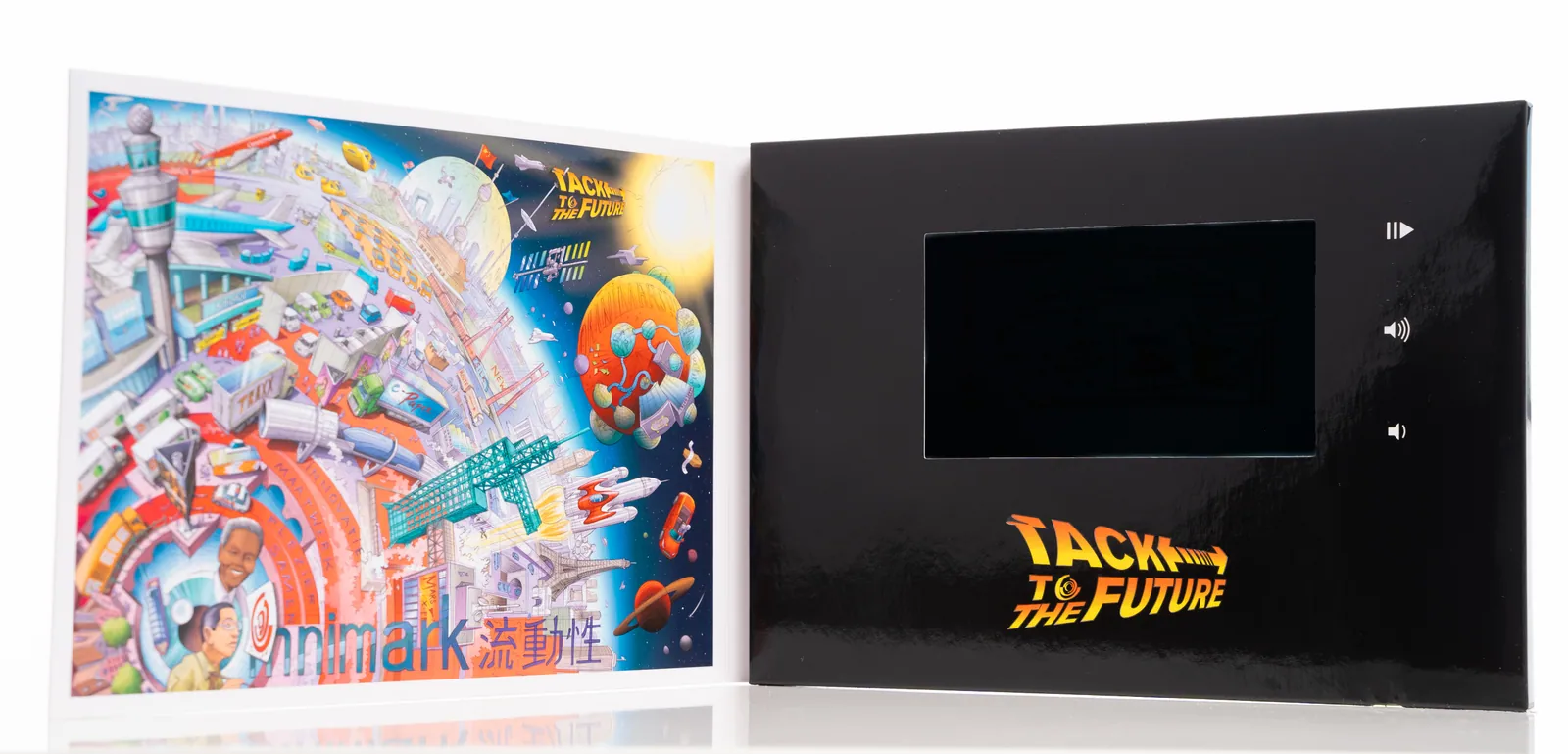
Start with the task that someone must be able to carry out independently and safely after watching. Describe the target audience, initial situation, desired outcome and the circumstances in which the explanation is used. An instructional video is especially suitable when movement, sequence or actions need to be shown; for short facts, rapidly changing information or a searchable procedure, text or a web page may be the better main medium.
First make a task analysis and put every necessary step in the correct order. Specify requirements, decision points, warnings and the visible end result. Then write a compact script and storyboard in which image and spoken explanation complement each other. Break a long or complex process into recognisable parts, so that someone can find one action without rewatching the whole video.
Choose the image for each step that shows the action most clearly: an overview for context, a close-up for detail, a screen recording for software, or animation for something that cannot be filmed properly. Ensure clear audio, calm editing, legible text and subtitles. Never let essential safety or operating information depend solely on sound, colour or a fleeting image.
Test an initial version with people from the real target group and let them carry out the task without additional verbal help. Note where they pause, look back, skip a step or interpret a term differently. Incorporate those findings before final approval and check the video on the device, screen size and sound level on which it will actually be used.
Finally, record owner, version number, source files, usage rights, privacy consent, publication channels and reassessment date. Choose a web or learning environment when content changes often and use a physical video carrier only when the selected recipient, the handover moment and the tangible context are truly part of the instruction. Current execution, price and planning are always confirmed separately from the central project source.